


The “She Was Friendly” Fallacy: Why Warmth Is Not Consent
Introduction: The Dangerous Misreading of Ordinary Warmth The Core Mistake: Confusing Social Access With Sexual Consent What the POSH Law Actually Looks…

eLearnPOSH
Best training on POSH
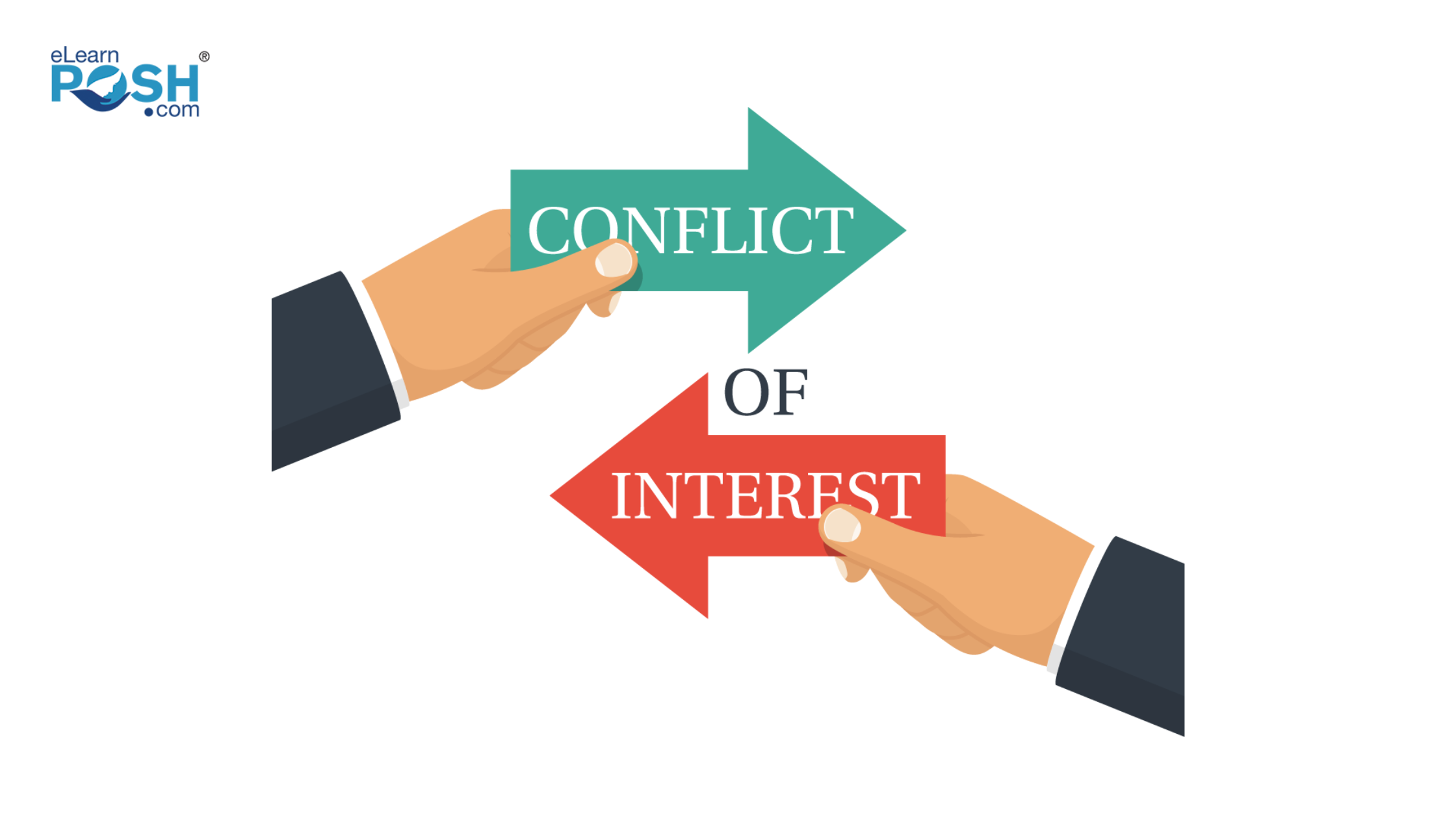 Imagine a workplace where every complaint is handled with utmost fairness and transparency. A key player in achieving this vision is the Internal Committee (IC) responsible for addressing issues under the Sexual Harassment of Women at Workplace (Prevention, Prohibition and Redressal) Act, 2013 (POSH Act). However, lurking beneath the surface can be a hidden danger: conflicts of interest (COIs). A conflict of interest occurs when personal or financial interests could compromise an individual’s ability to act impartially. Addressing these conflicts is essential for fostering trust and integrity within the organization.
In this blog, we’ll explore practical strategies and best practices to identify and eliminate conflicts of interest within the IC. By the end, you’ll be equipped with the tools to create a fairer, more transparent environment for handling complaints.
To effectively manage conflicts of interest in an inquiry, it is imperative that IC members are mandated to disclose any potential conflicts proactively as soon as a complaint is filed. A structured disclosure process not only enhances accountability but also fosters an environment of transparency within the committee. By requiring members to openly declare any personal, financial, or professional relationships that may influence their impartiality, organizations can better safeguard the integrity of the inquiry process. This proactive approach helps to mitigate risks and reinforces the commitment to fair and unbiased decision-making.
When a conflict of interest is identified, it is imperative to have established procedures for recusal in place. These procedures ensure that the documentation and handling of recusal situations are clear and consistent, thereby upholding the integrity of the inquiry process. By systematically addressing conflicts through recusal, organizations can maintain trust in the Internal Committee’s ability to conduct impartial investigations.
Regular training sessions for Internal Committee (IC) members are essential for fostering a comprehensive understanding of conflicts of interest. These sessions should emphasize the significance of recognizing and effectively managing such conflicts. By incorporating engaging scenarios and interactive discussions, organizations can ensure that all participants remain actively involved and informed.
The POSH for IC Members program at eLearnPOSH.com offers a comprehensive training approach for Internal Committee members, featuring a detailed 110-minute eLearning course and additional microlearning modules focused on practical case studies and legal judgments. The training is designed to ensure that IC members are well-prepared to handle their responsibilities effectively by eliminating any conflict of interest.
Implementing feedback mechanisms allows for continuous improvement in conflict management processes. Encourage IC members and stakeholders to share their thoughts and experiences, creating a loop of learning and adaptation.
In summary, managing conflicts of interest is essential for maintaining the integrity of the Internal Committee and ensuring the fair handling of POSH complaints. By implementing the strategies discussed, such as establishing clear disclosure requirements, fostering a culture of transparency, and learning from real-world examples, organizations can create a more accountable and equitable workplace. Now is the time to take action-encourage your IC to adopt these best practices and promote a safer environment for all employees.
For more updates on POSH, kindly follow our LinkedIn page.
To book a personalized demo call directly with the Subject Matter Expert, you can write to sales@succeedtech.com
Introduction: The Dangerous Misreading of Ordinary Warmth The Core Mistake: Confusing Social Access With Sexual Consent What the POSH Law Actually Looks…

1. Why synthetic sexual content belongs in the POSH conversation 2. Weather workplace have moved beyond office premises? How does this affects…
1. What Triggered the Karnataka POSH Crackdown? 2. The Legal Position Was Always Clear 3. The Gap Between Compliance and Functioning…
1. The Shift from POSH Compliance to Real Workplace Effectiveness 2. How SHe-Box Is Changing Workplace Harassment Reporting in India 3. Understanding…
Leave a Reply