


The “She Was Friendly” Fallacy: Why Warmth Is Not Consent
Introduction: The Dangerous Misreading of Ordinary Warmth The Core Mistake: Confusing Social Access With Sexual Consent What the POSH Law Actually Looks…

eLearnPOSH
Best training on POSH
 Introduction
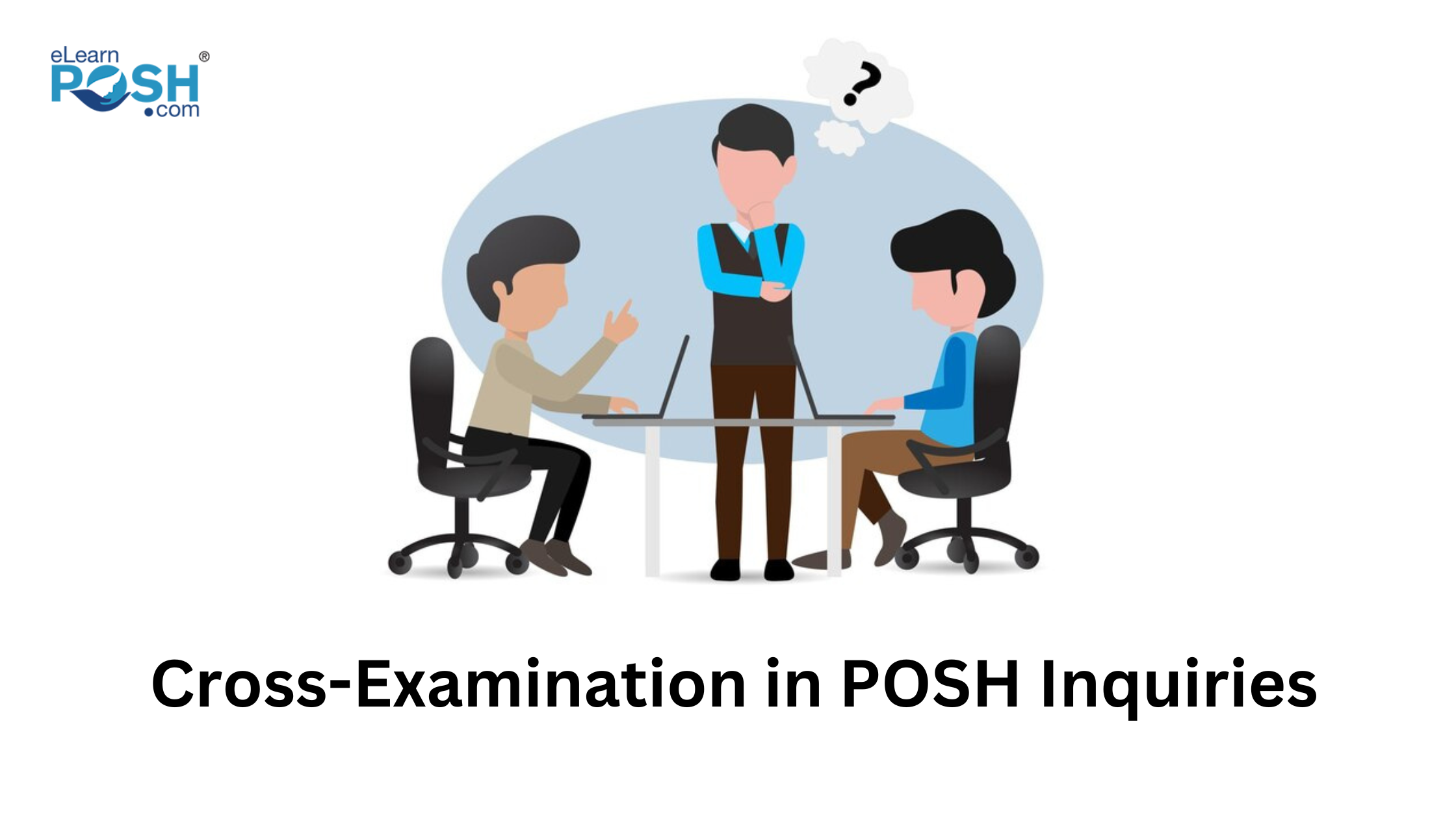
Cross-examination in POSH (Prevention of Sexual Harassment) inquiries is much more than just following procedure; it’s a careful balancing act. It requires skillful questioning that respects the sensitive nature of these situations. Understanding the complexities of POSH investigations is challenging, involving both the procedures and the emotional aspects at play. In this blog post, we’ll explore the critical role of cross-examination in uncovering the truth, sifting through testimonies, and examining evidence closely. It’s about getting to the heart of the matter with sensitivity and precision.
Cross-examination in POSH inquiries is the stage where the individuals involved – the person who has made the complaint and the person accused – have the opportunity to ask each other questions and to each other’s witnesses. This exchange aims to clarify each side’s account of events, challenge any inconsistencies in the testimonies, and contribute to a comprehensive understanding of the situation. It’s designed to ensure that the inquiry is thorough, transparent, and equitable, offering a deeper insight into the events that transpired. Conducted under the guidance of the Internal Committee (IC), this stage is crucial for ensuring that all aspects of the case are carefully considered, helping to form a fair and unbiased conclusion. The aim is to create a respectful dialogue that contributes to uncovering the truth, while maintaining the dignity and confidentiality of everyone involved.
Challenges in POSH cross-examination are multifaceted, reflecting the complexity of addressing sensitive issues within the workplace.
The cross-examination process in POSH inquiries risks re-traumatizing the complainant, making it challenging to maintain a process that is both effective and sensitive to the complainant’s emotional state.
IC members face the difficulty of eliminating personal biases and ensuring an unbiased stance throughout the cross-examination, posing a threat to the fairness and impartiality essential for justice.
Safeguarding the privacy and confidentiality of all parties involved in the inquiry is complex, with the risk of sensitive information being inadvertently disclosed or misused.
Balancing the need for a comprehensive investigation with the requirement to complete the inquiry within a stipulated timeframe presents a significant challenge, potentially compromising the depth and thoroughness of the investigation.
In case the parties come up with new evidence during the cross examination, it becomes the responsibility of the IC to handle and document it properly. Skillfully presenting and examining evidence while ensuring accuracy and fairness is a critical challenge, requiring a level of expertise that the IC members might not have received.
Establishing an inquiry environment that is free from intimidation and allows witnesses and involved parties to speak openly and truthfully is fraught with difficulties, especially in cases where power dynamics and fear of retaliation are prevalent.
In our upcoming webinar, we’ll tackle these POSH cross-examination challenges head-on, offering practical solutions and expert insights. This session is your opportunity to gain the skills needed for a more effective and respectful inquiry process.
Cross-examination is essential in court because it helps ensure fairness and truth. Here’s why it’s importance:
One of the essential components of natural justice is that when accusations are made against any person, they should be given the chance to refute or counter those accusations. This must be done before concluding the inquiry and penalizing them. The process of cross-examination lets the respondent question the evidence and stories told by the complainant. This process helps make sure the trial is fair by giving both sides the chance to be heard and challenge each other’s claims. It’s an important part of making sure everyone is treated equally in court and helps the respondent defend themselves properly.
The POSH Law focuses on creating a safe workplace environment but does not specifically mention the procedure of cross-examination in handling complaints. Instead, it emphasizes conducting inquiries into complaints fairly, guided by the principles of natural justice. Despite this lack of explicit mention, Indian courts have recognized the importance of cross-examination in ensuring a fair inquiry. The Supreme Court case, Bidyug Chakraborty (Prof.) v. Delhi University & Ors., notably affirmed the right to cross-examine witnesses while stressing the importance of protecting their identities. This approach shows a strong dedication to being fair and safe when dealing with sensitive cases. It ensures that everyone is treated with respect and protected while thoroughly looking into the matter.
All these methods aim to make sure the inquiry process is fair. The IC makes sure everyone is treated with respect and dignity, no matter how the cross-examination is done. This focus on fairness helps make sure the process is flexible and considerate of everyone’s needs.
By adhering to these principles, the IC can ensure that the cross-examination process under the POSH framework is conducted with the highest standards of fairness, respect, and sensitivity, safeguarding the rights and dignity of all involved.
In conclusion, ensuring a fair and respectful cross-examination process in POSH cases is crucial for the integrity of workplace sexual harassment inquiries. By establishing clear guidelines, providing preparation and training for the IC, creating a supportive environment for witnesses, closely monitoring questioning, intervening when necessary, and meticulously recording proceedings, the IC can uphold the principles of justice and dignity. These measures not only protect the rights of all parties involved but also reinforce the commitment to a safe and respectful workplace.
For more updates on POSH, kindly follow our LinkedIn page.
To book a personalized demo call directly with the Subject Matter Expert, you can write to sales@succeedtech.com
Introduction: The Dangerous Misreading of Ordinary Warmth The Core Mistake: Confusing Social Access With Sexual Consent What the POSH Law Actually Looks…

1. Why synthetic sexual content belongs in the POSH conversation 2. Weather workplace have moved beyond office premises? How does this affects…
1. What Triggered the Karnataka POSH Crackdown? 2. The Legal Position Was Always Clear 3. The Gap Between Compliance and Functioning…
1. The Shift from POSH Compliance to Real Workplace Effectiveness 2. How SHe-Box Is Changing Workplace Harassment Reporting in India 3. Understanding…
Leave a Reply